
 New Creation Staff
What would it be like to rub shoulders with the leading creation biologists, geologists, and theologians? What if you could pick the brains of the scholars from Is Genesis History? and Mountains After the Flood over a meal? What if you could hear the latest findings from the cutting edge of young-age creationist research in a close, intimate setting?
For the past four years, members of the New Creation writing team have enjoyed taking part in these experiences at the annual Origins Conference. It’s a major highlight of our summer, when we can meet with other creationists for fellowship and encouragement as we pursue excellence in our respective fields.
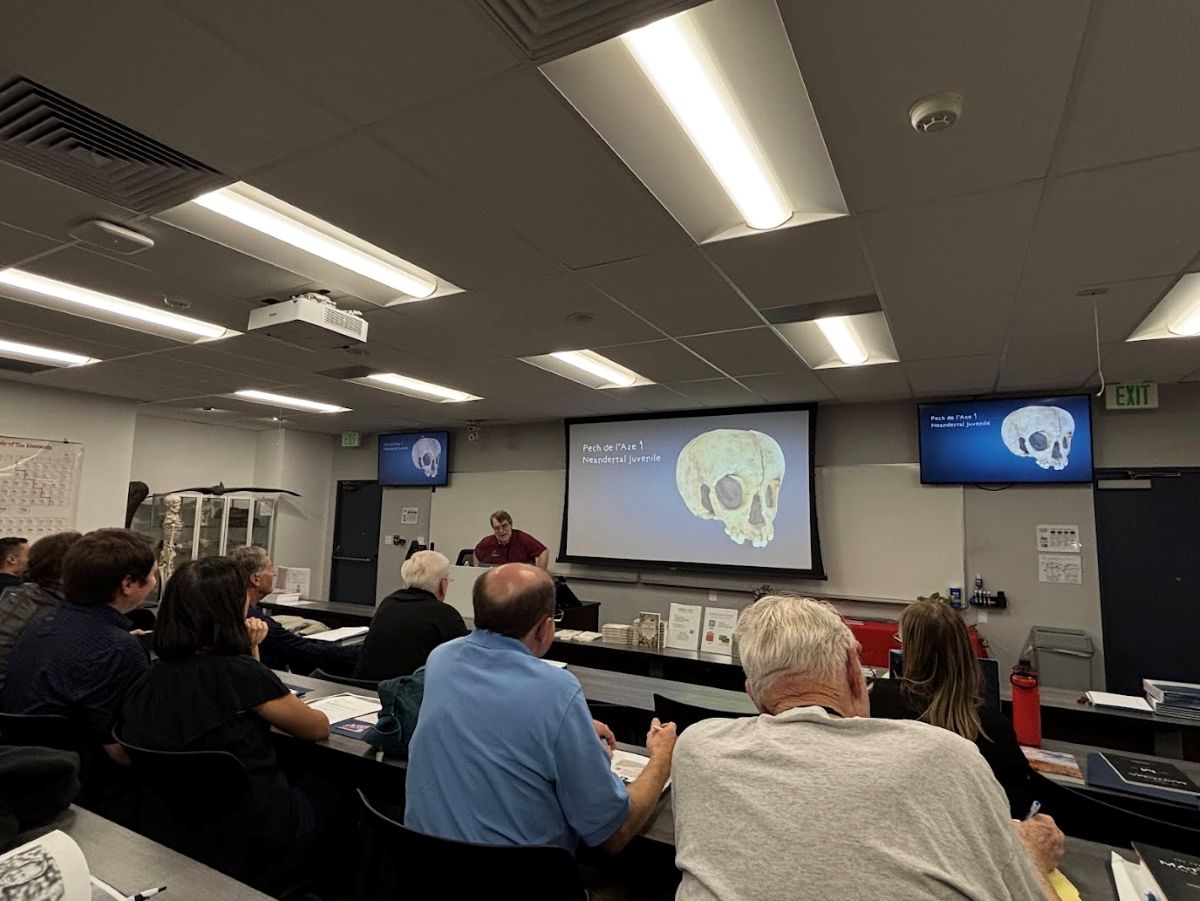
This summer, from July 13-15, Christian Ryan and Joshua Cedar travelled to The Master’s University in Southern California to participate in Origins 2026. Gathered inside an air-conditioned classroom, we staved off the stifling heat in order to bring you the very best of creation science.
A Conference for Model-Builders
The conference began with three plenary sessions, the last of which was by Dr. Todd Wood from Core Academy of Science and the Let’s Talk Creation podcast. Dr. Wood’s presentation “The Creation Model” set the tone for the conference by showing the importance of scientific model-thinking for young-age creationists.
Scientific Model-thinking
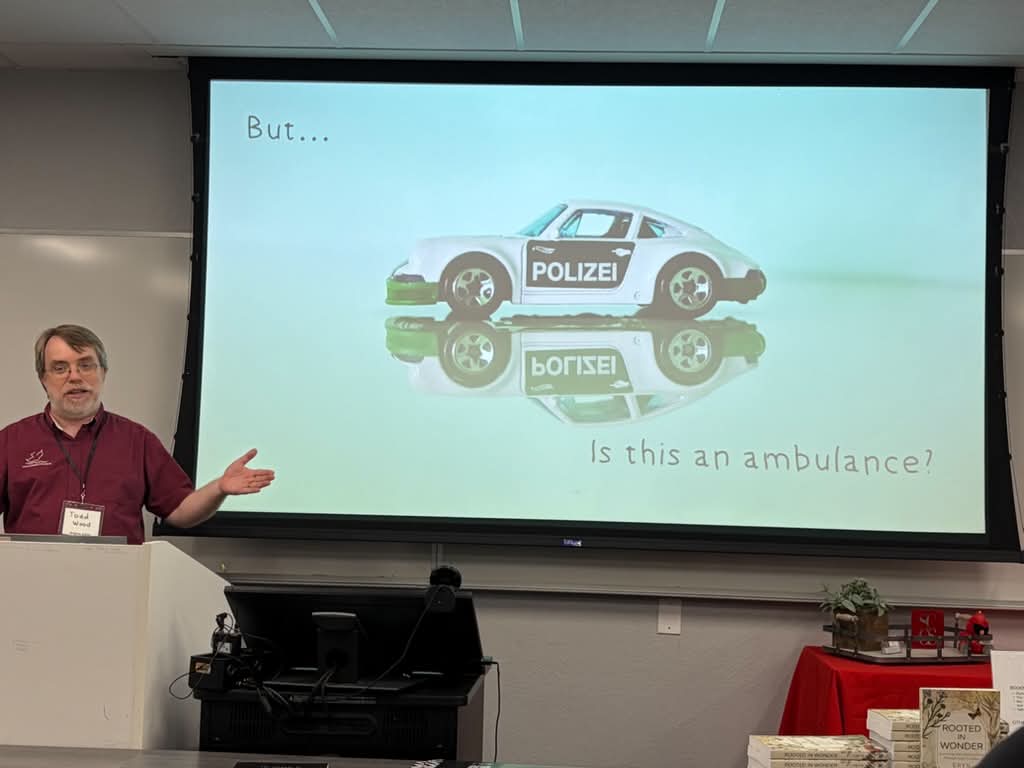
Regular readers of the New Creation Blog are no doubt familiar with scientific model-thinking. Like a model airplane or train set, a scientific model is an attempt to recreate the physical world in miniature. And like the models hobbyists build, scientific models are subject to ongoing “tinkering.” Over time, we modify them to increase their accuracy to real life.
Scientific model-thinking is at the core of the creation/evolution debate. If we realize this, we won’t waste time trying to just poke holes in the evolutionary model. Models are easy to modify but hard to refute. This is because they rely on very few critical elements—the rest can be changed to better fit the data. Scientific models rarely rest on the validity of a single data point.
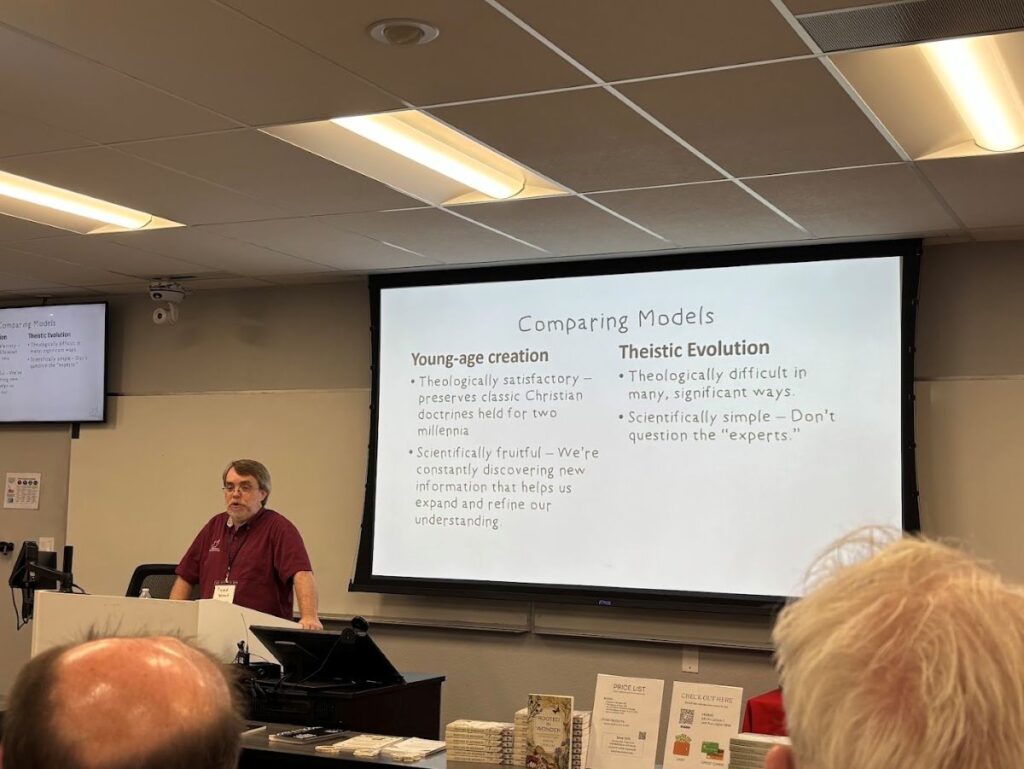
Rather than trying to refute individual aspects of the evolutionary model, Dr. Wood encouraged us to evaluate models by comparing them with one another. Evaluating models isn’t really about a model being “right” or “wrong”—it’s about which model explains the data best. The best model is the one that best corresponds to reality.
The Need for Model-Thinking in Young-Age Creationism
We think Dr. Wood’s message is critical for us to hear, for two reasons.
First, it does away with unrealistic expectations in our apologetics with non-creationists. Arguments about evolution tend to revolve around individual aspects of evolutionary theory (transitional forms, vestigial organs, etc.). But each of these aspects can be refuted without touching the evolutionary model as a whole. I think a more powerful apology for young-age creationism is to show how the creation model compares with the evolutionary model in its explanatory power.
Second, Dr. Wood’s message encourages humility in our discussions about competing models within young-age creationism. For example, young-age creationists historically have held different opinions on what Noah’s Flood did to the earth, and these disagreements have continued down to our own day. Sometimes, they have revolved around a model’s individual unresolved problems (e.g., the heat problem in catastrophic plate tectonics), with detractors claiming “your model must explain this or else!” A better approach is to focus on the overall picture: “Which model explains the most data the best?”
Model-Building in Real Life
During the second and third days of Origins, we heard scientists and Bible scholars present abstracts (short summaries) of their latest research. Presenting abstracts is one of the main ways that researchers share and develop their ideas before refining and preparing them for publication. For young-age creationist researchers, it is an important way that we help build the creation model.
The abstracts presented at Origins will eventually be published in New Creation Studies (for biology and geology) and the Journal of the Creation Theology Society (for theology/biblical studies), so we will only provide brief previews of them here.
Undercover Bacteria
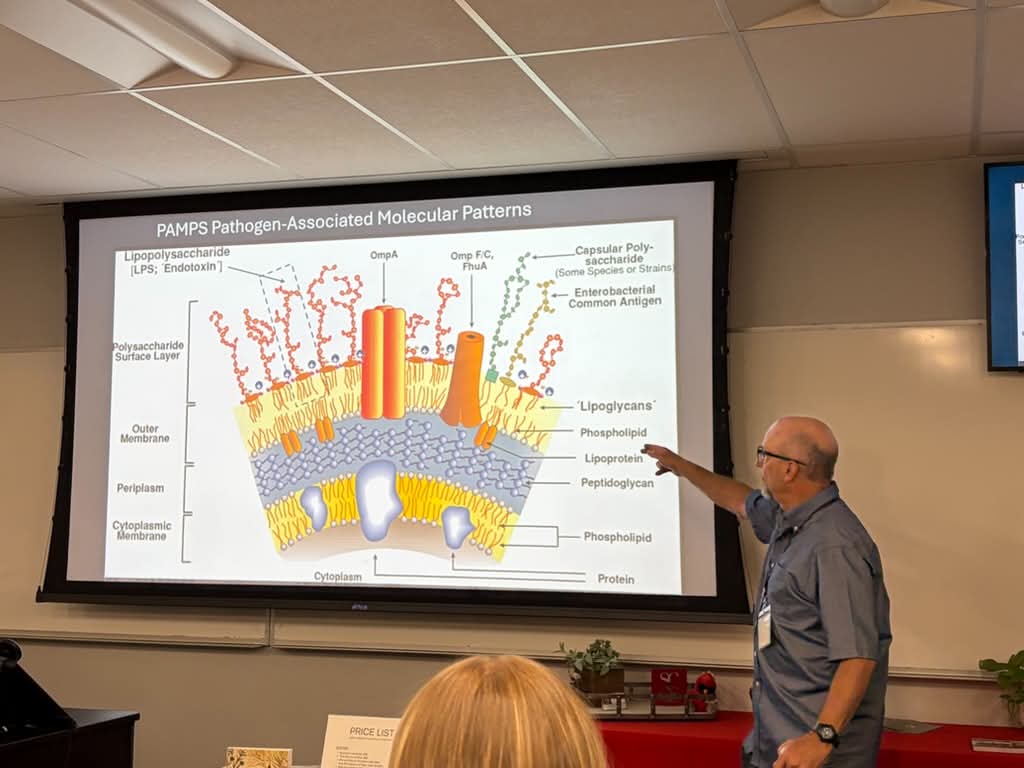
On the microbiology side, Dr. Joe Francis presented new evidence that viruses and viral DNA can protect beneficial bacteria, allowing them to perform their beneficial functions inside the host without being detected and destroyed by the host immune system. Bacterial cells are covered with molecules that would otherwise trigger an immune response deadly to both host and the bacterium. Viruses that adhere to beneficial bacteria help prevent this catastrophe by giving them an “invisibility cloak.” Viral DNA incorporated into the bacterial genome (prophages) can encourage the binding of these cloaking viruses to the cell surface while keeping them from lysing (breaking) the cells. These phages can apparently also inhibit the activities of immune cells. This research points to a beneficial role for some viruses, consistent with their having been designed with an original “very good” purpose.
Crocodile Impersonators
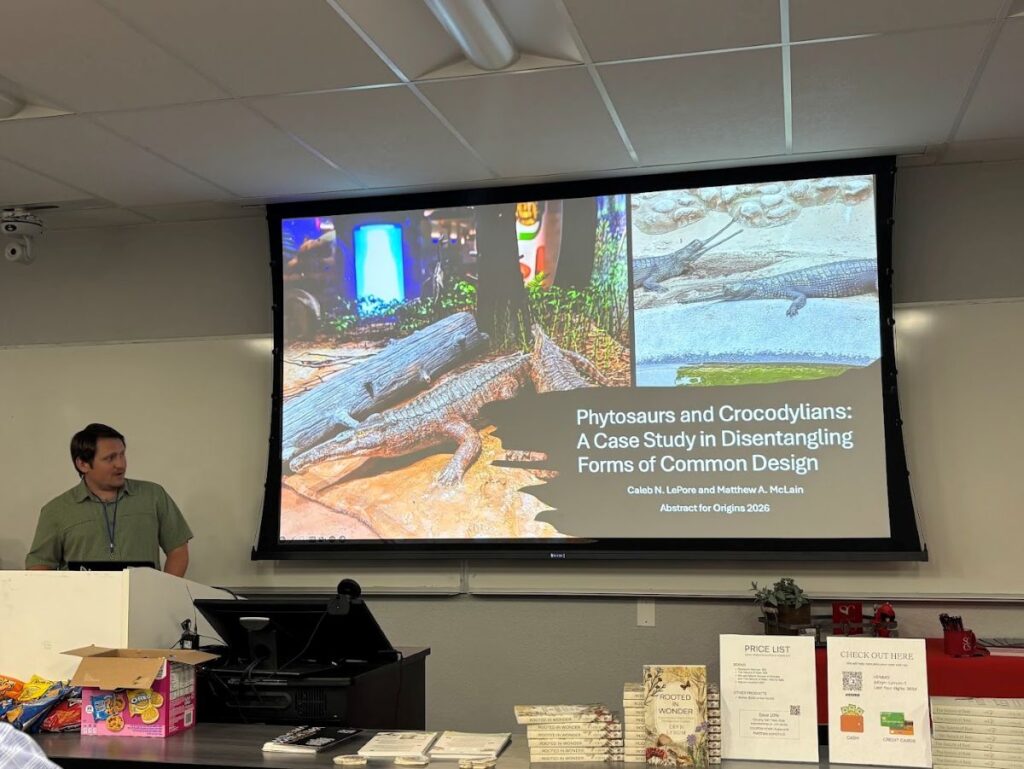
In the realm of vertebrate paleontology, Dr. Caleb LePore shared his study on the common designs of crocodylians (crocodiles, alligators, and their kin) and phytosaurs, an extinct group of crocodile-like reptiles. In the conventional model, crocodylians and phytosaurs are thought to have converged on a common body plan because of pressures associated with a semi-aquatic, carnivorous lifestyle. Dr. LePore showed, through a detailed study of their spines, that some aspects of their anatomy can be explained through convergence or common function of differently-created parts within a young-age creationist framework, while other aspects show clear differences associated with different blueprints originating during Creation Week. This study shows how complex patterns of design can be and how young-age creationists can work to disentagle them!
Barosaurus and Baraminology
Brontosaurus, Brachiosaurus, Barosaurus, Diplodocus—there is a reason why skeletons of these dinosaurs feature prominently in world-class natural history museums. With their colossal size and absurd proportions, sauropods embody the very meaning of the word dinosaur: “fearfully great reptiles.” Despite their popularity, sauropods have largely been neglected in studies of created dinosaur kinds—until now.
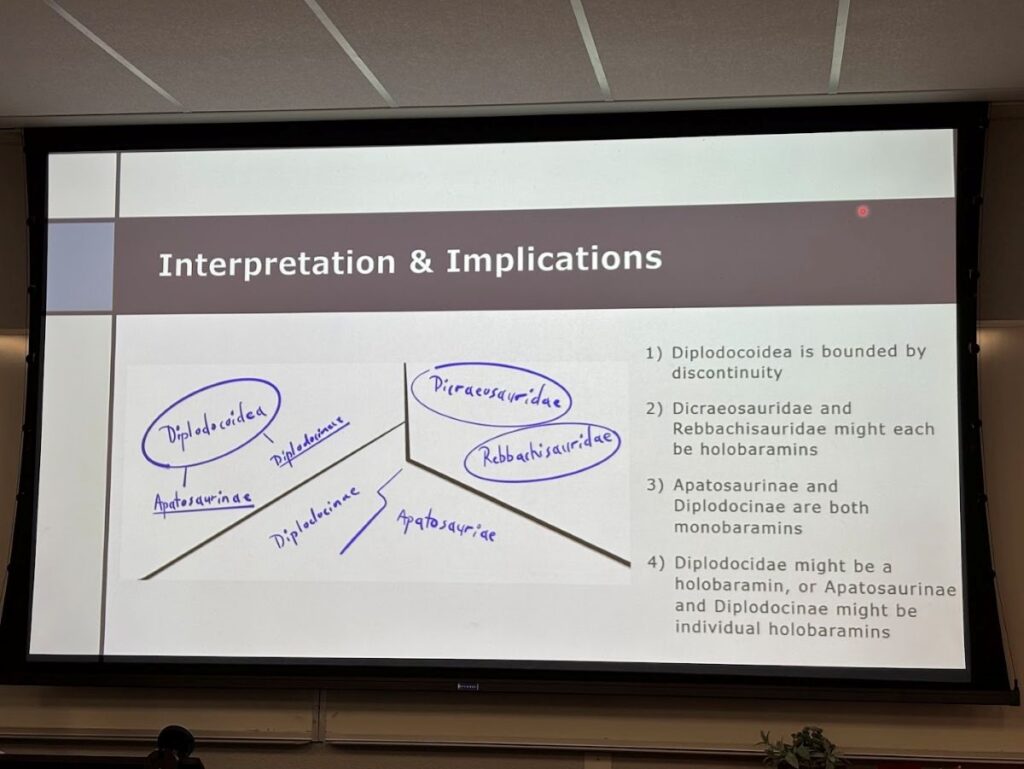
In their presentation, TMU student M. Loomis and Dr. Matt McLain described the results of their study on the baraminology of sauropods. They found evidence for discontinuity among sauropods at multiple levels.
First, Diplodocoidea—a rather diverse sauropod group encompassing both the noodle-necked Diplodocus on one end and the short-necked, sail-crested Bajadasaurus on the other—shows discontinuity with other types of sauropods (e.g., Brachiosaurus).
Second, there is discontinuity between diplodocoids, with the Rebbachisauridae (e.g., Nigersaurus) and Dicraeosauridae (e.g., Amargasaurus) appearing to be their own created kinds.
Lastly, there is discontinuity even within the Diplodocidae between the subfamilies Apatosaurinae and the Diplodocinae, implying that they also may represent their own created kinds.
All together, these results confirm that discontinuity is a part of the pattern of life on every level, both between created kinds and even on the suprabaraminic (above the created kind) level.
Baraminology of the Bizarre
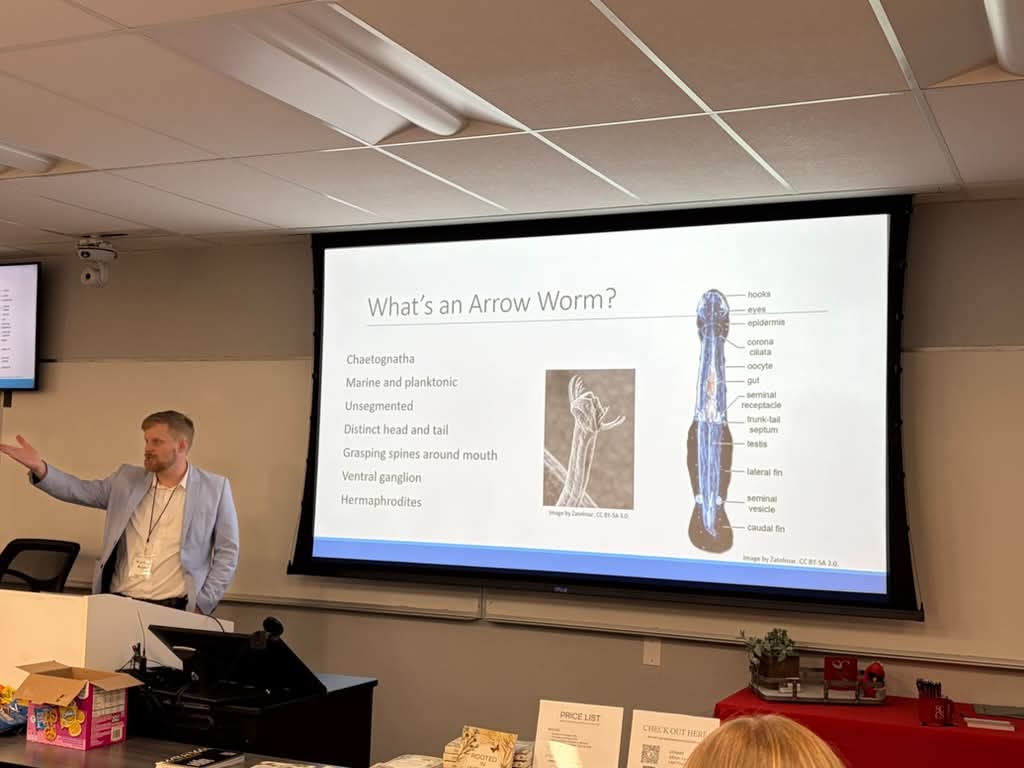
Imagine if tomorrow, a team of NASA scientists brought back dozens of strange, alien creatures from a far-off, ocean-covered planet. Some look like see-through torpedoes armed with grasping hooks around their jaws. Others resemble slugs covered in thousands of microscopic hairs that they use to glide across surfaces. There are even some tiny critters that have wheel-like mouth structures that resemble spinning turbine blades. And now imagine if you were the scientist tasked with figuring out to which created kind all of these bizarre species belong!
As it happens, you don’t have to imagine this scenario at all. Every one of the creatures described above is real! Except, they aren’t from outer space. They are microscopic animals from the fossil record in a layer of strata called the Cambrian. Many of these creatures are associated with the Cambrian Explosion. To our knowledge, no previous baraminology study has focused specifically on Cambrian animals, nor have microscopic animals received much attention at all. This work, carried out by paleontologist Dr. Matt McLain, appears to be the first to tackle both. According to his study, he found that baraminological analyses placed these critters into groups that seem to resemble created kinds.
Those see-through, torpedo-like organisms are called arrow worms (Chaetognatha) and they consistently clustered together into what appears to be a created kind. The slug-like “hairy bellies” (Gastrotricha), which glide across surfaces on thousands of microscopic hairs, also formed a distinct group. That said, further research might ultimately show this group contains not one, but two created kinds. Two mysterious Cambrian creatures, Amiskwia and Timorebestia, also grouped together while remaining distinct from arrow worms. This might mean they too belong to their own created kind.
During his presentation, Dr. McLain illustrated that while the Cambrian Explosion is often discussed in creationist circles, the Cambrian itself remains a poorly-studied interval of creationist research. In the last decade or two alone, paleontologists have made remarkable discoveries about Cambrian strata and the fossils they find within it. This presents creation researchers with an exciting opportunity to learn more about one of the most fascinating sections of the fossil record in light of the worldwide Flood.
Bird-Based Seed Dispersal After the Flood
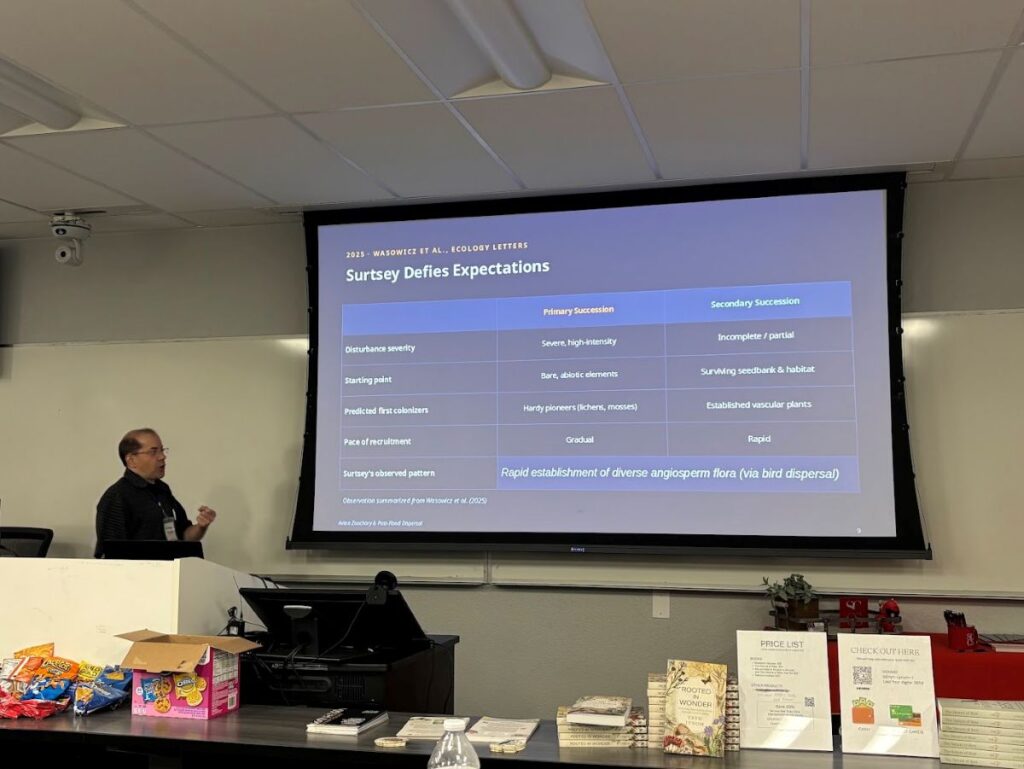
In this talk, Dr. Matthew Croxton, biologist at the Master’s University, drew attention to an often-overlooked method of long-distance dispersal (LDD) by which plants may have dispersed themselves around the world following the Flood: birds! This has recent, real-world precedent. Surtsey is an island created by undersea eruptions from 1963 to 1967, resulting in the world’s youngest island once it breached the ocean’s surface. Once barren volcanic rock, the island became populated with plant life much faster than scientists predicted. Traveling seabirds brought seeds to the island in their digestive tracts. Once released in their droppings, the seeds could germinate and flourish in the mineral-rich volcanic ash.. Croxton argues that bird-based seed dispersal after the Flood should be an important addition to the study of post-Flood recolonization.
Adaptation: Not a ‘Shot in the Dark’
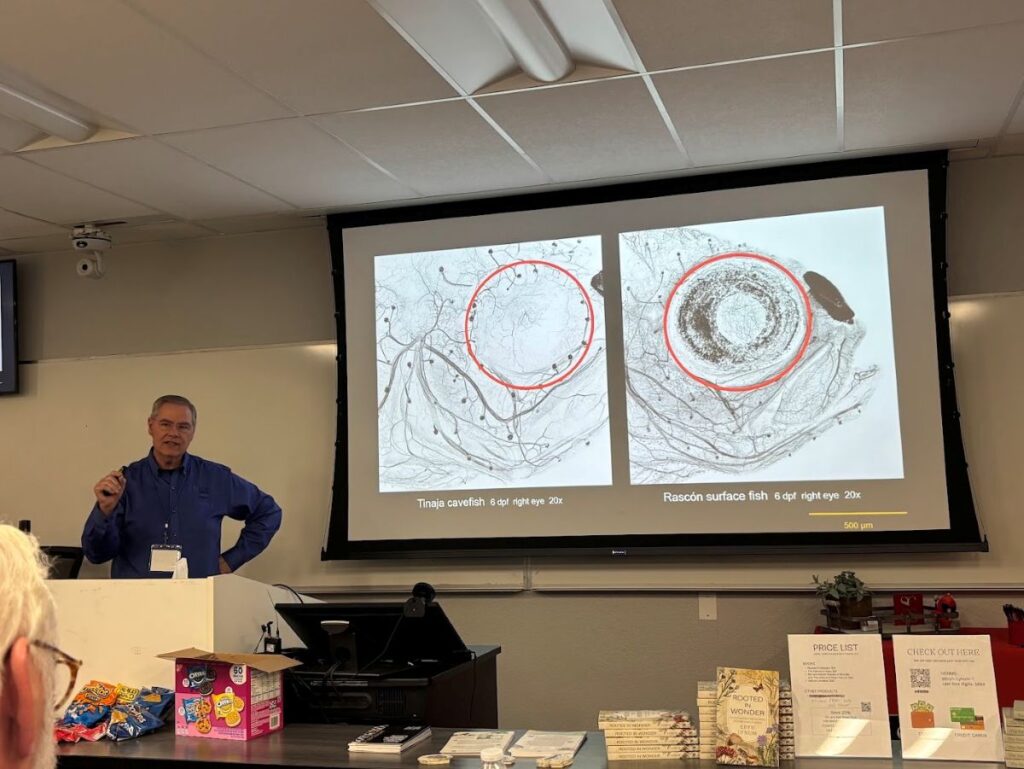
Dr. Randy Guliuzza, the president of the Institute for Creation Research (ICR), shared the latest work ICR has done on the theory of Continuous Environmental Tracking (CET). CET is a uniquely young-age creationist theory that sees organisms as engineered entities with internal mechanisms designed to track changes in the environment and enact specific changes that allow them to adapt. This model contrasts sharply with neo-Darwinism, which sees adaptation as a result of the environment blindly molding organisms like putty through natural selection.
One of the predictions of CET theory is that adaptation doesn’t occur by changing one system at a time. Rather, changes are modulated in different organ systems at the same time in order to achieve the intended effect (adaptation). In order to test this prediction, the sense organs of developing blind cave fish (Astyanax mexicanus) were compared with those of their surface-dwelling relatives. According to Dr. Guliuzza, during the development of the blind cave fish, the down regulation of eyes occurs at the same time that other senses (olfaction and the lateral line system) are upregulated, giving the blind fish an advantage in a lightless environment. These results are an exciting development in CET theory and a superb example of original, lab-based research done by creationists!
What’s next for CET theory? Dr. Guliuzza gave us a hint: looking for the environmental “triggers” that cause changes in development, leading to adaptation.
Recalculating Deep Time
The Radioisotopes and the Age of The Earth (RATE) was a major research project by young-age scientists trying to understand whether or not radioactive decay had actually occurred in Earth’s past and what effect it had on the natural world. The project was successful in that it determined, yes, it had occurred and there was evidence that long ages obtained from radioactive dating do not reflect the passage of absolute time. This would suggest that radioactive decay rates were accelerated at one or more times in the past compared to today. However, one of the stated goals for future projects was to figure out if radioactive dating methods could be recalibrated to a young-age timescale. Such work, however, was never carried out aside from prior conceptual work along these lines…until now!
E. A. Isaacs and R. Sanders provide the first systematic model to calibrate radioactive dating results into absolute ages within biblical history. Today, radioactive isotopes decay at observed, measurable rates that can be described mathematically. The model Isaacs and Sanders developed uses specific benchmarks where secular ages and biblical history can be potentially calibrated; it models how radioactive decay rates may have exponentially decreased in the past until recent times. The model has two periods of accelerated radioactive decay, those being during Creation Week and the Flood, followed by declining rates returning to the background values observed today. During the presentation, Isaacs and Sanders demonstrated how the model can be used to show how long certain strata—or even entire megasequences—could have taken to form, and even when specific geologic events—like the carving of Grand Canyon—may have happened. The model can also be adjusted in accordance with different models. These include different Flood/post-Flood boundaries and the Masoretic and Septuagint timelines.
This model is still under refinement, but Isaacs and Sanders are developing a version that can be used by others. It should prove useful in generating testable hypotheses for future creationist research! In fact, it was tested during the presentation. Based on the model, the Grand Canyon’s formation should have happened within a few hundred years following the Flood. This nicely follows what young-age geologists, like Dr. Steve Austin, have argued for some years now.
Theology: Queen of the Sciences
On the third day, we heard talks on creation theology, including two presentations by Dr. Bob Cole, an expert on the Hebrew Bible. Dr. Cole’s talks were a refreshing break from the highly technical scientific talks of the previous conference day. As Dr. Cole drilled into the details of Genesis 1 and 2, we were drawn in by the depths of meaning normally hidden from readers of English translations.
Diving Into the Tehom
In Hebrew, the word translated “formless” in Genesis 1:2 (tohu) shares consonants with the word translated “deep” later in the same verse (tehom). This might not seem significant to English readers, but to readers of biblical Hebrew (a consonantal language—no vowels!), it’s an example of alliteration on the part of the inspired author. By using similar-sounding words, Moses is relating the meaning of “formless and void” to the “deep,” showing us that creation was not yet fit for human habitation. This provides the backdrop for the six days of creation, where God “formed” and “filled” the heavens and the earth.
Throughout Genesis 1, God “saw” that His creation was “good” six times (v. 4, 10, 12, 18, 20, 25) and then “very good” (v. 31) after He created mankind, male and female, in His image. The word translated “good” (tov) sounds similar to the words meaning “formless and void” (tohu wa-bohu). This example of wordplay helps emphasize the contrast between where creation began (unfit for human occupation) to where it was completed (ruled over by humans, male and female).
Going further, the repeated use of “it was good” in Genesis 1 heightens the impact when, in Genesis 2:18, we read, “Then the LORD God said, ‘It is not good that the man should be alone; I will make him a helper fit for him.’” [emphasis added] Clearly, male and female together are indispensable for God’s plan for humankind and creation as a whole. Additionally, the repeated use of the phrase “God saw that it was good” in Genesis 1 heightens the contrast when Eve, in Genesis 3:6, “saw that the tree was good for food” and fell for the serpent’s deception.
Reading Scripture as Literature
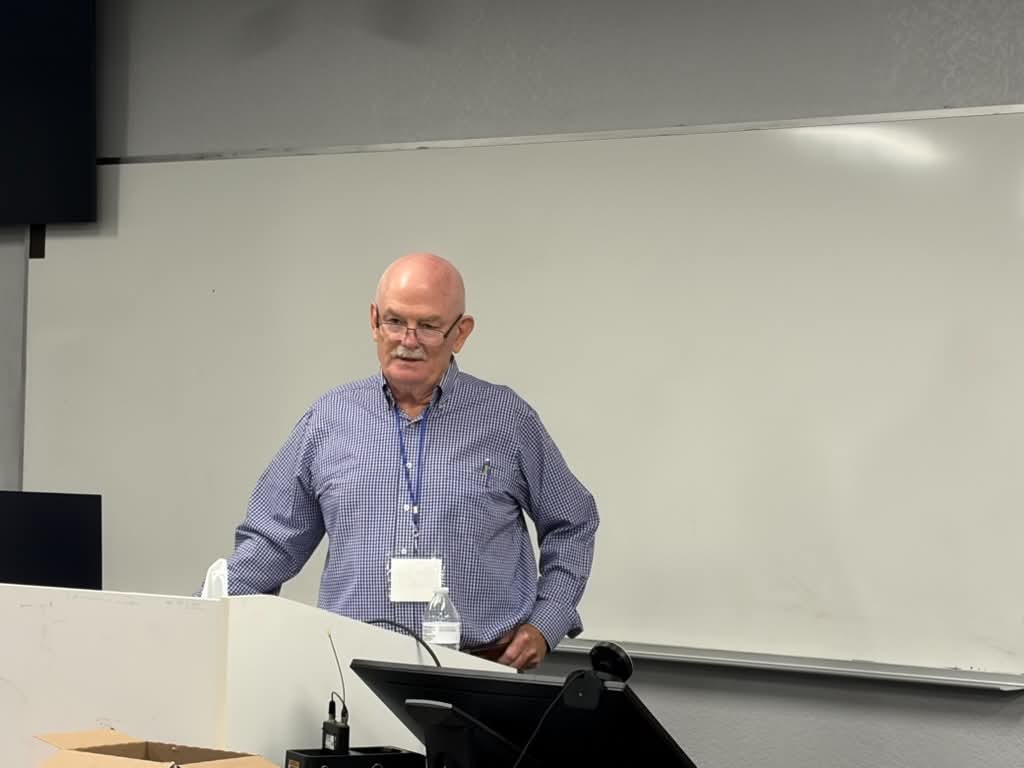
Dr. Cole gave many other examples in his talks to drive home the importance of understanding the Bible as literature to properly grasp its meaning. Sometimes, emphasizing the Bible as literature can make evangelical Christians uncomfortable. Sometimes, those who emphasize this aspect of Scripture make it seem as though the Bible were merely great literature. They treat God’s Word like Aesop’s Fables, showing no regard for its historical and spiritual truth claims, if not dismissing them outright. However, Dr. Cole argued that to read Scripture as intended, we need to pay attention to the literary details in the original languages. Just as an experienced film director uses lighting, music, and nonverbal cues to show us what is really happening in a story, so the biblical authors make use of alliteration and wordplay to help us to see the meaning in the text. They are part and parcel of the message, not a mere flourish.
Why does this matter? As young-age creationists, we see the Bible as our source of authority not just about matters of faith, but also matters of history and physical reality. Because of this, it is vitally important that we understand Scripture correctly, carefully uncovering what the biblical writers sought to communicate by their words. Creation scientists need creation Bible scholars like Dr. Cole to help us be better readers and interpreters of Scripture! Only when we rightly understand biblical revelation can we have hope to rightly understand God’s created world.
It is also worth noting that seeing the Hebrew Bible as literature provides a great apologetic against naturalistic theories about the Bible’s origin. Many mainstream scholars ascribe the composition of the Torah to a group of erring and contradicting compilers sometime late in Israelite history. This is one reason why many people maintain that Genesis 1 and 2 are separate, contradictory accounts of creation. But when we examine the details in the text itself (such as those reviewed above), we see abundant evidence for the single authorship of not only Genesis, but all five books of Moses.
Conclusion

As you’ve seen, the topics covered at the 2026 Origins Conference varied widely, from post-Flood plant dispersal to radiometric dating to the details of the Hebrew text of Genesis. If you want to see a through line for all of them, it’s simply this: scholars making small refinements to (“tinkering with”) the creation model.
Most often, this is how science works. It moves forward, not by earth-shattering developments but by slowly extending and making adjustments to our existing models. In a lot of ways, it’s like how we as Christians are called to live our lives. We live in community with other Christians. We practice ordinary means of grace like the Lord’s Supper, weekly worship meetings, fellowship, encouragement, and personal discipleship and trust the Lord to use them to grow us.
And that brings us back to where we started. Origins is about building the creation model, yes. But for those of us who attend year after year, it’s more than that. It’s also about being refreshed by being with like-minded Christians, sharing ideas, and encouraging one another as we labor in our respective fields. And that’s something we will look forward to enjoying at the 2028 Origins Conference and beyond!


 Christian Ryan
 Sara Anne

 Matt McLain

 Todd Wood
 Abigail Van Huss
 Peter
Peter

“This would suggest that radioactive decay rates were accelerated at one or more times in the past compared to today. ”
Or it would suggest that physics are behaving normally throughout the universe – except if you start with a conclusion.
We can observe radioactive elements in stars through their spectra. If those stars are far enough away, then there would have to be a concession that radioactive decay was behaving normally at that specific time. I think you can see where this will end up going.
Also, as one who regularly reminds that you have to deal with the Heat Problem… as long as you subscribe to CPT (or Hydroplate) you have to deal with the Heat Problem.